
How do interactive screens work? | SPORTS ANT Guide
Understand interactive screen technology (IR, Capacitive, SAW) and its applications in digital sports equipment. Learn about input processing, software integration, and choosing the right tech for your needs with SPORTS ANT.
How Do Interactive Screens Work?
Understanding how interactive screens function is crucial for professionals in the digital sports equipment industry. This article clarifies the technology behind these displays, addressing common questions and highlighting their applications in sports training and entertainment. We'll explore the key components and processes involved.
The Core Technology: Touch and Interaction
Interactive screens, frequently used in digital sports equipment like training systems and virtual reality setups, rely on several technologies to translate touch or gesture input into digital commands. Common methods include:
* Infrared (IR) Technology: IR grids emit invisible light beams across the screen's surface. When an object (like a finger or stylus) interrupts these beams, the system registers the touch location. This is a robust solution, often found in larger, public-facing displays.
* Capacitive Touchscreens: These screens use a layer of conductive material. When a finger or conductive stylus touches the surface, it alters the electrical field, pinpointing the touch location with high accuracy. This is common in smaller, high-resolution screens, offering precise control and responsiveness.
* Surface Acoustic Wave (SAW) Technology: SAW technology uses ultrasonic waves to detect touch. When a finger presses the surface, the waves are disrupted, allowing the system to pinpoint the contact point. This technology offers durability and resistance to scratches.
Processing the Input: From Touch to Action
Once a touch or gesture is registered, the interactive screen's processor translates this into a digital signal. This signal is then interpreted by the software controlling the digital sports equipment. This might involve:
* Analyzing movement: Tracking the trajectory and speed of a player's movements during a virtual training session.
* Triggering events: Initiating a change in gameplay or displaying feedback based on user input in a simulation.
* Displaying information: Presenting real-time data such as speed, power, or heart rate during a fitness program.
The Role of Software and Integration
The software running on the interactive screen is vital. It processes input from the touch technology, manages the displayed graphics, and communicates with other connected equipment (like sensors, cameras or data analysis systems). Effective software integration is crucial to the seamless operation of the entire digital sports training system.
Choosing the Right Interactive Screen Technology
The best technology for a particular application depends on factors like screen size, resolution, budget, and required accuracy. For example, a large interactive display for public viewing may benefit from IR technology, whereas a high-precision training system may require a capacitive touchscreen. Understanding these technologies enables professionals to select the optimal interactive screen for their digital sports equipment needs.
is there a weight limit for indoor rock climbing | SPORTS ANT Guide
How much does it cost to set up a golf simulator at home? | SPORTS ANT Guide
What is simulated reality league soccer? | SPORTS ANT Guide
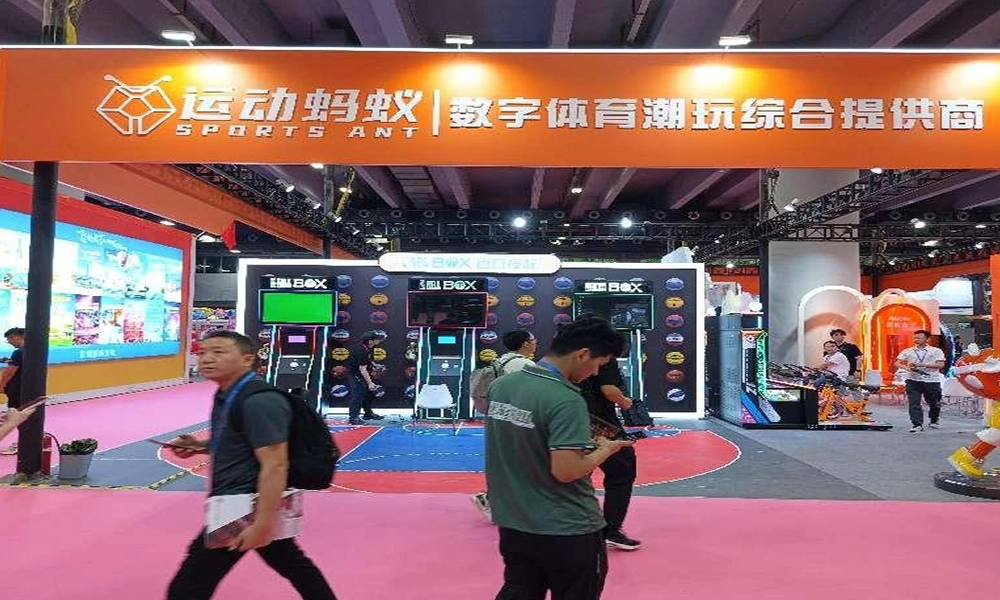
2024 Asia Amusement & Attraction Expo (AAA for short) is the Asian Amusement and Entertainment Expo
How much does a golf simulator cost for home? | SPORTS ANT Guide
Do you need planning permission for a golf simulator? | SPORTS ANT Guide
Leave a message
Connect with us to schedule a consultation, request samples, or arrange a site visit to see our facilities and capabilities firsthand.
Reach out to us via phone, email, or through the contact form below, and we'll get back to you promptly within 24 hours.
* Rest assured that your privacy is important to us, and all information provided will be handled with the utmost confidentiality.
You may also like
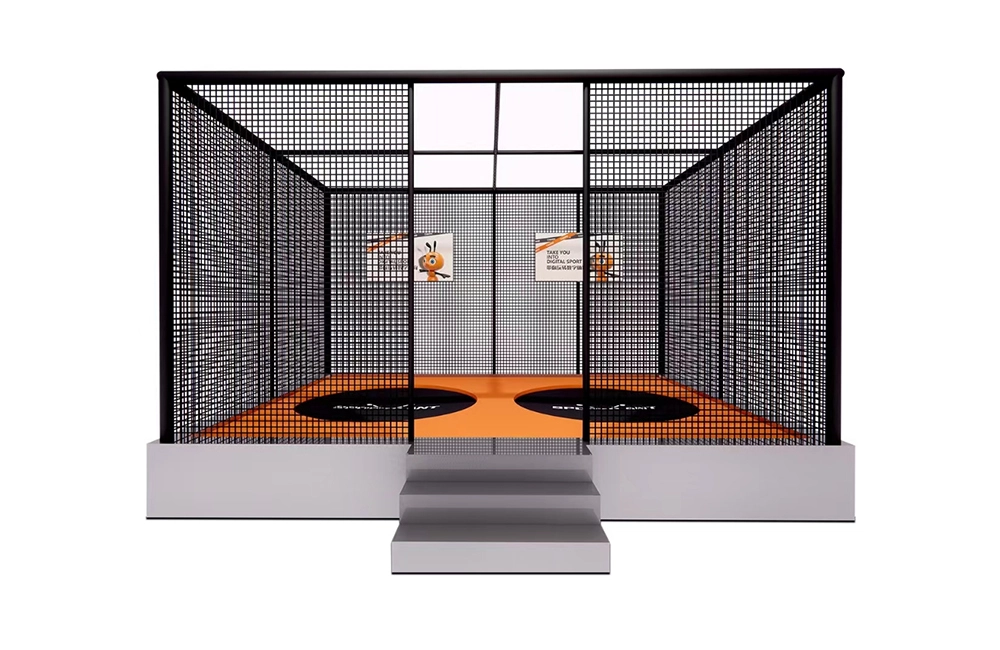
Indoor Interactive Trampoline (Upgraded Version)
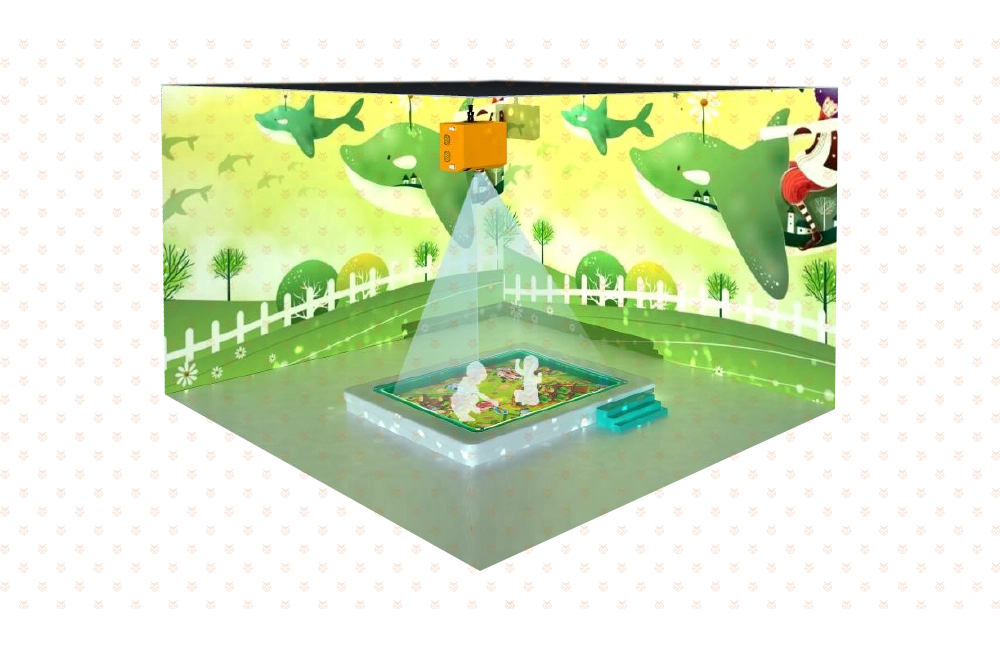
AR Magic Sand Beach
AR Magic Sand Beach is an experiential interactive game that combines a physical sand pool with projection interactive technology to create a beautiful scene. Children can participate in the game immersively, combining reality and reality, and have endless fun.
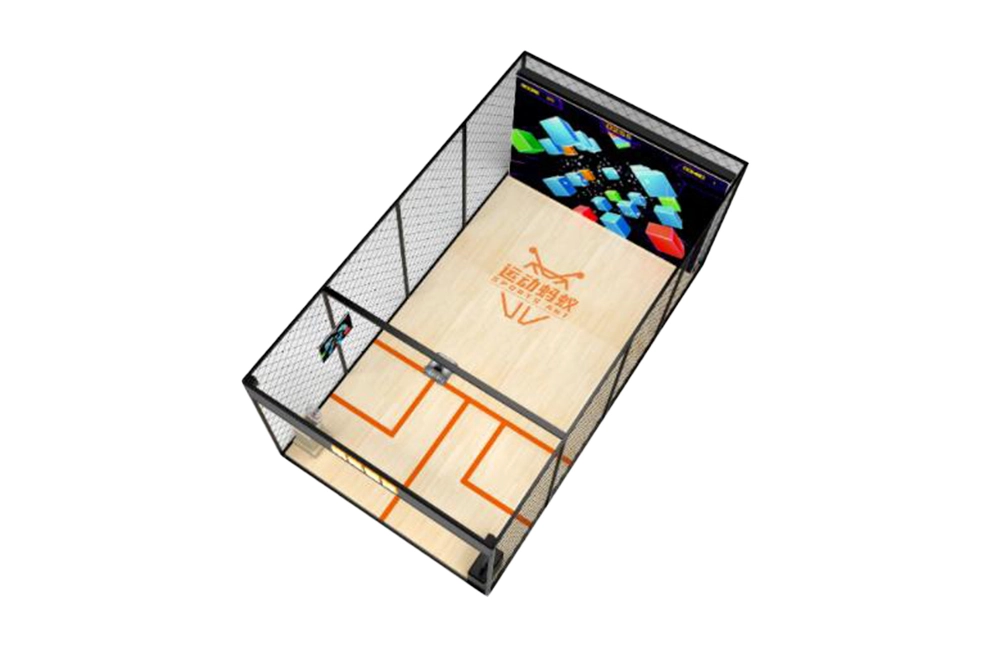
Squash Game Simulator
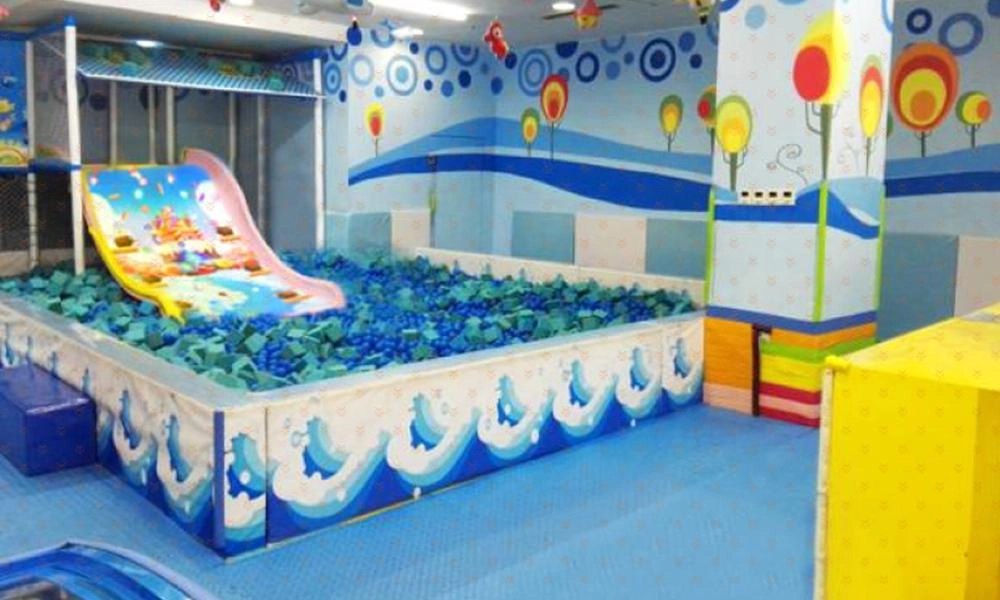
AR Interactive Slide
The colorful slide game uses interactive projection technology to project the picture on the slide. When the child's body comes into contact with the picture on the slide, various gorgeous interactive effects and dynamic and lifelike audio special effects will appear on the picture, making the entire process of sliding on the slide more enjoyable. Full of magical colors! The innovative multiplayer interactive gameplay and colorful game graphics add infinite cool and dynamic charm to the traditional slide.
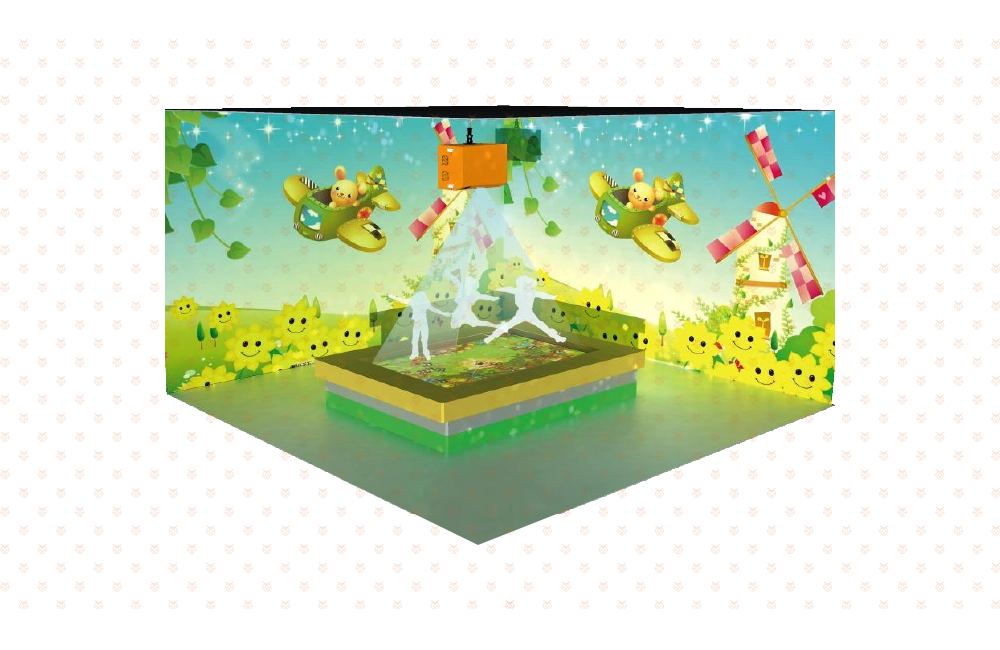
AR Trampoline
AR Trampoline uses a projector to project games on the trampoline surface. Centered on motion capture technology, it combines AR augmented reality technology and a three-dimensional game engine to realize an interactive trampoline game that integrates entertainment and fitness. When children interact with the elements in the game by jumping, wonderful interactive effects are produced, giving the trampoline greater magic.
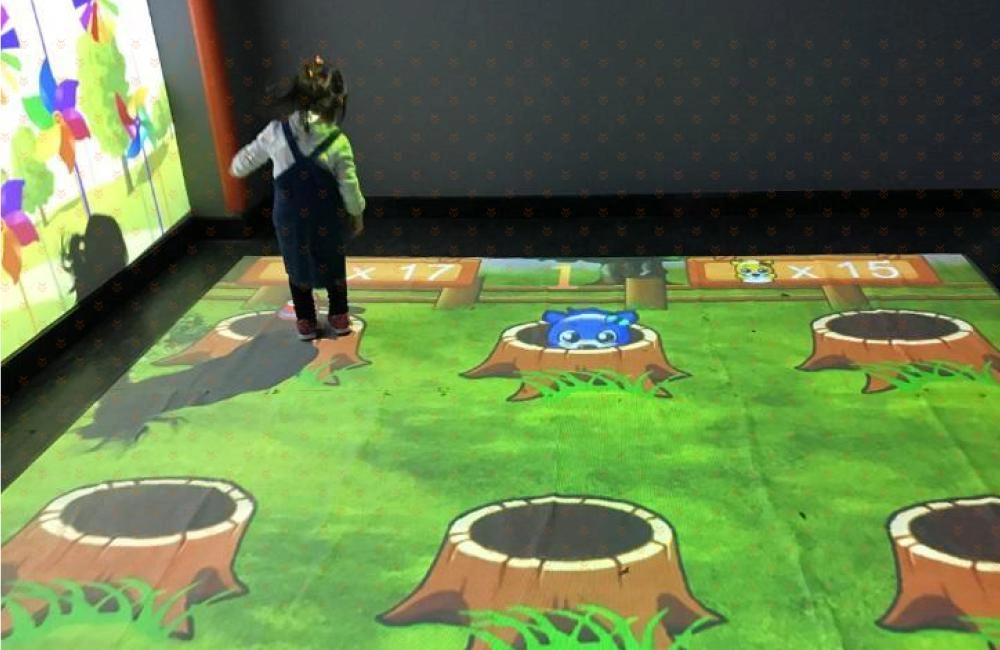
AR floor interactive game
AR floor interactive game uses a projector to project game images on the ground, and uses motion capture technology to achieve real-time interaction between people and dynamic images on the ground. When children walk through the interactive area, various interactive effects will change accordingly with your footsteps, creating unexpected light and shadow effects.
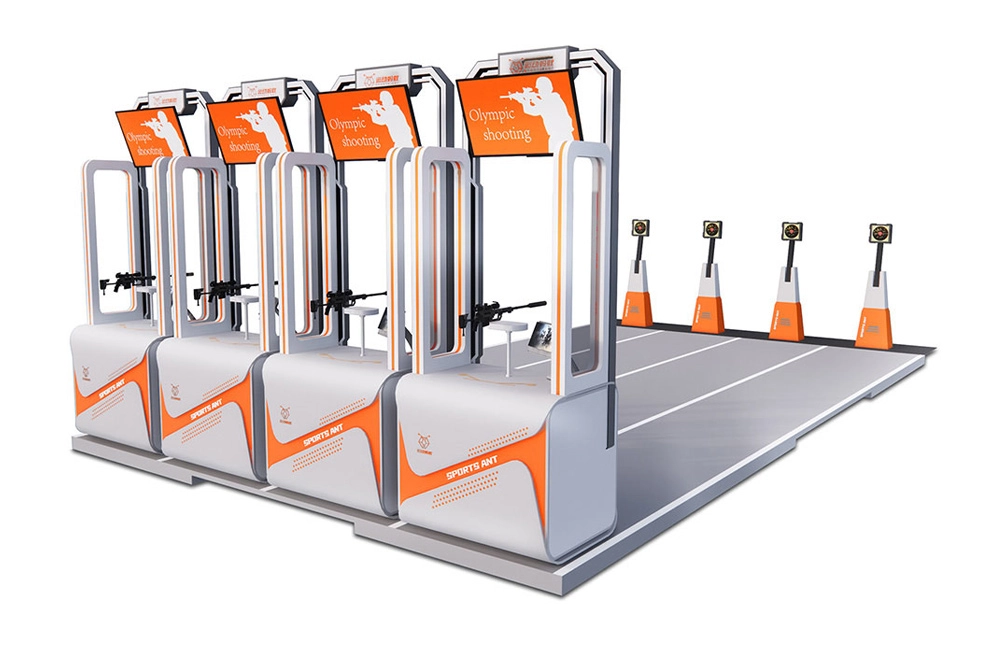
Laser Gun Olympic Shooting
AR Body Sensor Game
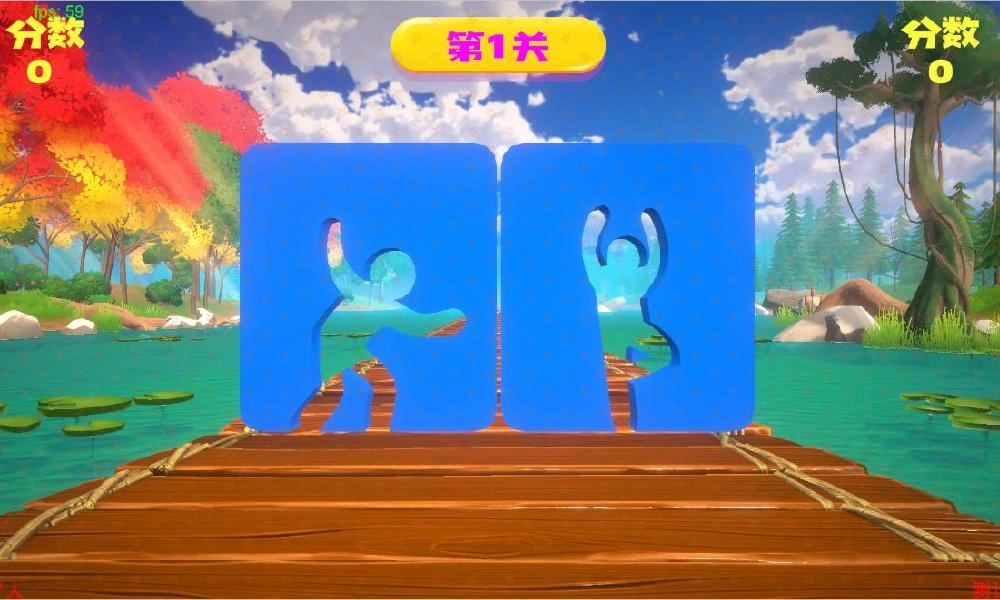
Somatosensory Star is the latest somatosensory interactive projection equipment launched by our company. Its background stems from growing market demand and an in-depth analysis of existing products. We found that existing somatosensory projection interactive devices still need to be improved in terms of diversity and functionality, especially in terms of game immersion and graphics. Therefore, we decided to develop a somatosensory device that integrates sports and entertainment to meet these needs. The core goal of the product: Our goal is to provide users with more elements, more beautiful graphics, and a more immersive somatosensory gaming experience through this device.
Skiing Board Simulator
AR Sandbox
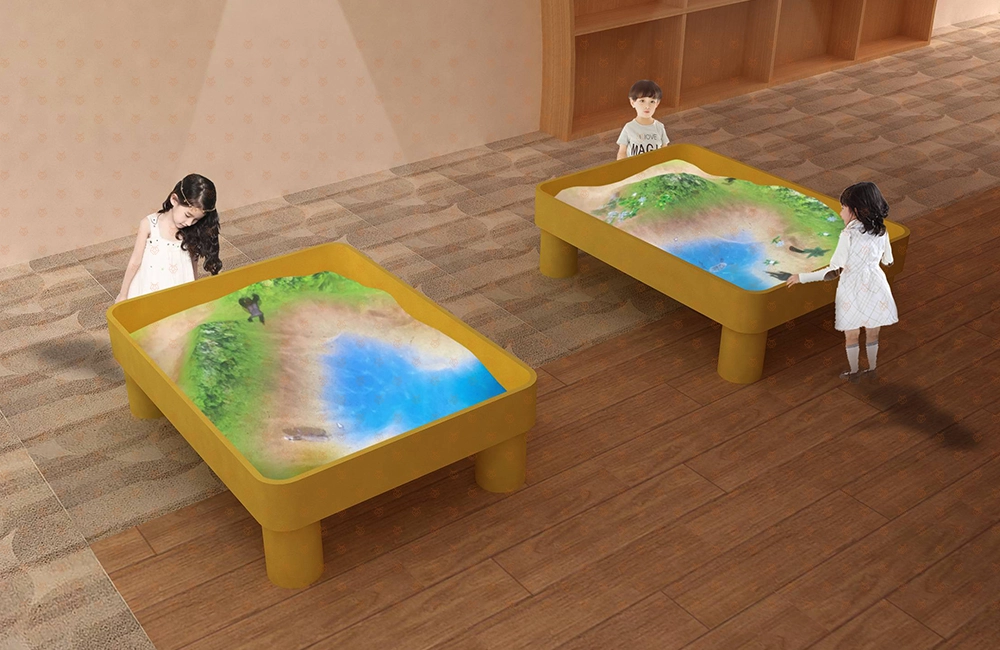
Interactive Sand Table is an 11 experiential interactive game that combines a physical sand table with projection technology. It uses the methods of stacking and digging sand to achieve game effects through height differences. Including "Beach Paradise", "Treasure Digging Agent", "Spring, Summer, Autumn and Winter", "Quick Fish", "Magic Traffic", "Magic Grassland", "Fantasy Sand Sea", "Dream Back to the Water Country", "Fantasy Snow Mountain" , "Cultural Relics Treasure Hunt", "Jade Treasure Hunt" and other height-difference virtual interactive games. Children use digging and stacking sand to build battle formations, attack the opponent's camp with their existing combat capabilities, and achieve final victory.
Five-Screen Video Basketball Games Machine
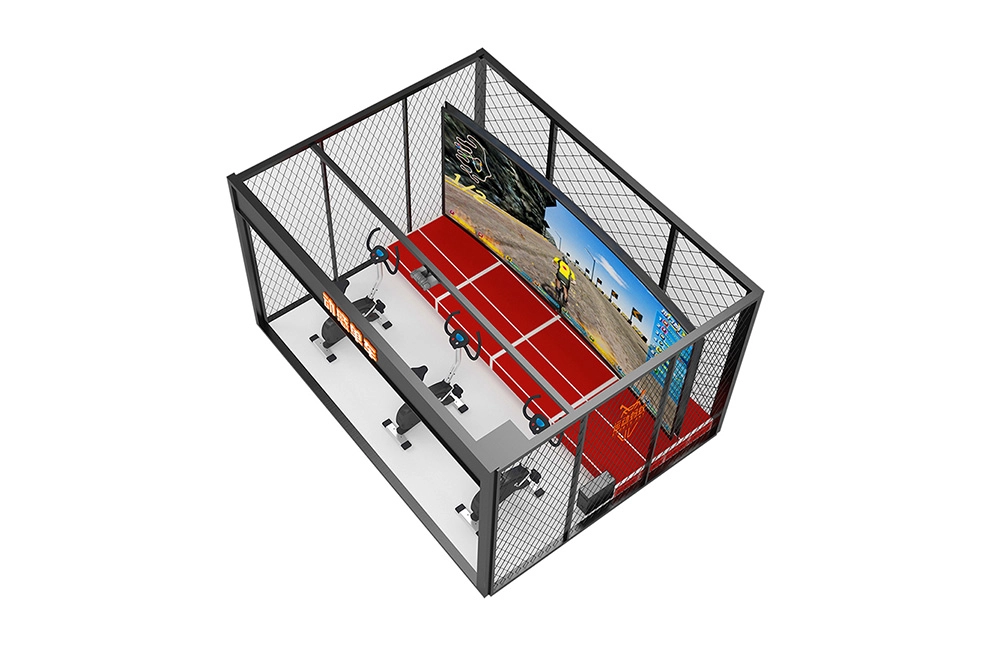
Spinning Bike Simulator
SPORTS ANT is a digital sports equipment enterprise that integrates the research and development, production, sales, and service of commercial digital sports and entertainment equipment. And implement the planning, design, construction, operation, and investment of the digital sports hall. More about us >>
© 2024 SPORTS ANT ALL RIGHTS RESERVED
bigantmeta
sportsantmeta
sportsantmeta
bigantmeta
Whatsapp: +8618028525450