
What is the injury rate for indoor climbing? | SPORTS ANT Guide
Indoor climbing is a fantastic sport, but injuries can occur. This article examines the injury rate for indoor climbing, highlighting common injuries like finger injuries, shoulder problems, and ankle sprains. We'll discuss contributing factors and preventative strategies to create a safer climbing environment. Understanding these risks helps facilities improve safety protocols and climbers mitigate potential hazards.
What is the Injury Rate for Indoor Climbing? SPORTS ANT
Indoor climbing has exploded in popularity, but with increased participation comes the need to understand the associated risks. This article aims to address a key concern for gym owners, instructors, and safety professionals: What is the actual injury rate for indoor climbing, and what can be done to minimize it?
Understanding the injury rate provides valuable data to inform risk management strategies and improve safety protocols. Precise figures are difficult to obtain due to inconsistent reporting and variations in research methodologies. However, studies consistently show that injuries do occur, and certain injury types are more prevalent than others.
Common Indoor Climbing Injuries
Injuries in indoor climbing are diverse, but some patterns emerge:
Finger Injuries: These are among the most frequently reported injuries, ranging from minor strains and sprains to more serious tendon tears and avulsions. The repetitive nature of gripping holds contributes significantly to these injuries.
Shoulder Injuries: Rotator cuff injuries, impingement syndrome, and labral tears are common due to the overhead movements involved in climbing.
Ankle and Knee Injuries: Falls and awkward landings can result in sprains, strains, and fractures in the lower extremities.
Back Injuries: Improper technique, overuse, and falls can lead to back pain and even more severe injuries.
Factors Influencing Injury Rate
Several factors influence the injury rate for indoor climbing:
Experience Level: Beginners are statistically more prone to injuries due to a lack of technique and experience.
Training Practices: Overtraining, inadequate rest, and poor training techniques can significantly increase the risk of injury.
Gym Environment: The condition of the climbing holds, the quality of the safety equipment, and the overall gym layout play a significant role in injury prevention.
Technique and Spotting: Proper climbing techniques and effective spotting practices are vital to minimizing injury risk.
Minimizing Injury Risk
Implementing effective strategies can significantly reduce the incidence of injuries:
Proper Instruction: Providing comprehensive instruction on climbing techniques, safety procedures, and spotting is essential.
Regular Safety Audits: Conducting regular safety checks of equipment and the overall climbing environment is crucial.
Emphasis on Warm-up and Cool-down: Proper warm-up and cool-down routines can help reduce the risk of muscle strains and injuries.
Promoting Safe Practices: Regularly reinforcing safe climbing practices among climbers is essential for injury prevention.
By understanding the common injuries, influencing factors, and preventative strategies, indoor climbing facilities and individuals can work together to create a safer and more enjoyable climbing experience. Further research and data collection are crucial to refine injury prevention strategies and provide more precise injury rate statistics in the future.
How accurate are indoor golf simulators? | SPORTS ANT Guide
How much does a golf simulator cost for home? | SPORTS ANT Guide
How high of ceiling for golf simulator? | SPORTS ANT Guide
Is 12x12 big enough for golf simulator? | SPORTS ANT Guide
How big of a building do I need for a golf simulator? | SPORTS ANT Guide
how to simulate a rowing machine at home | SPORTS ANT Guide
Leave a message
Connect with us to schedule a consultation, request samples, or arrange a site visit to see our facilities and capabilities firsthand.
Reach out to us via phone, email, or through the contact form below, and we'll get back to you promptly within 24 hours.
* Rest assured that your privacy is important to us, and all information provided will be handled with the utmost confidentiality.
You may also like
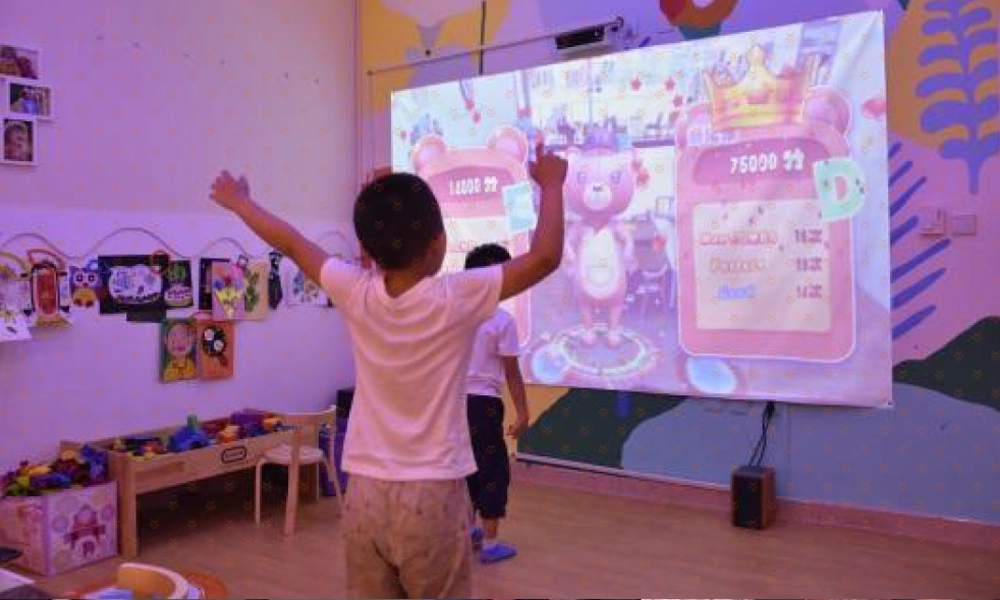
AR Dancing
AR Dancing, "Dancing Baby" is a music rhythm game. Compared with traditional electronic games, the biggest difference is that this game is the first to use somatosensory command recognition TXM technology. It uses high-precision giant pictures and cool special effects. Gameplayer follow the dynamic rhythm. By imitating the dance movements of the lead dancer in the game screen, the purpose of interactive games can be achieved, and two people can compete on the same stage.
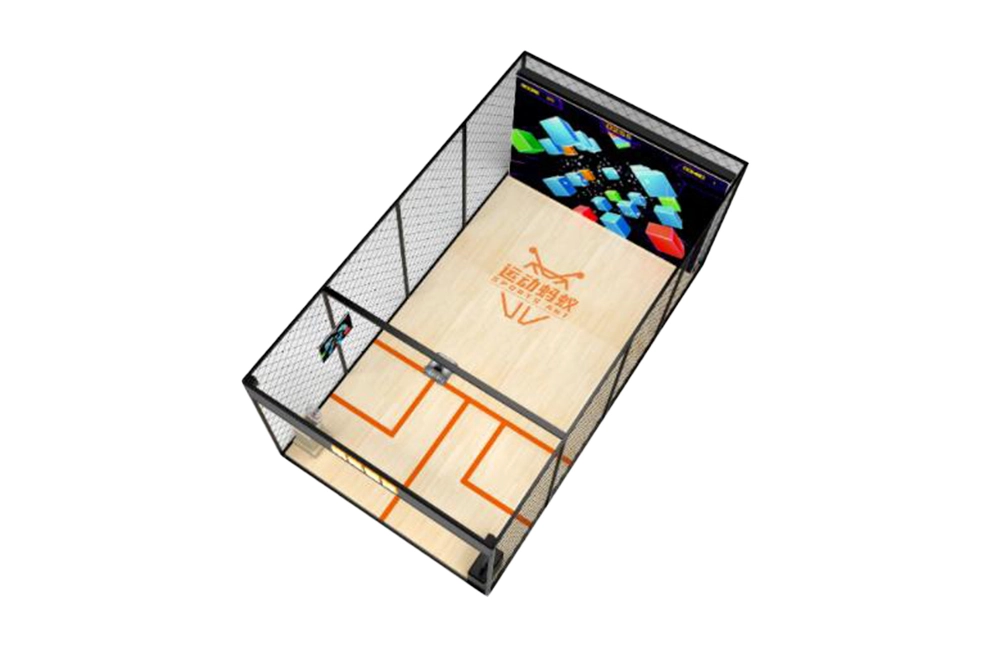
Squash Game Simulator
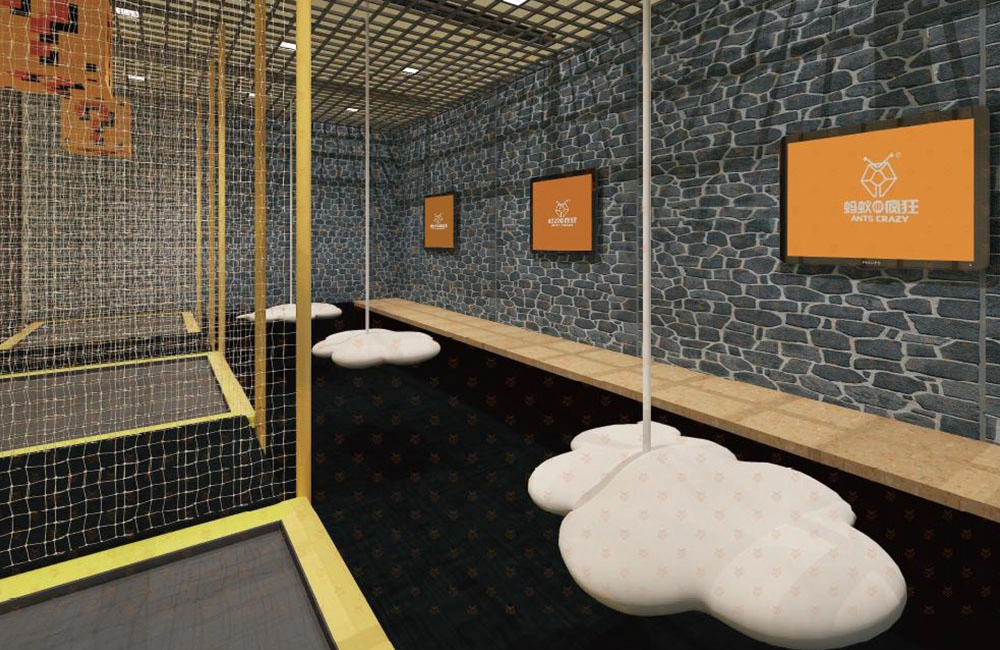
Fly to the Clouds
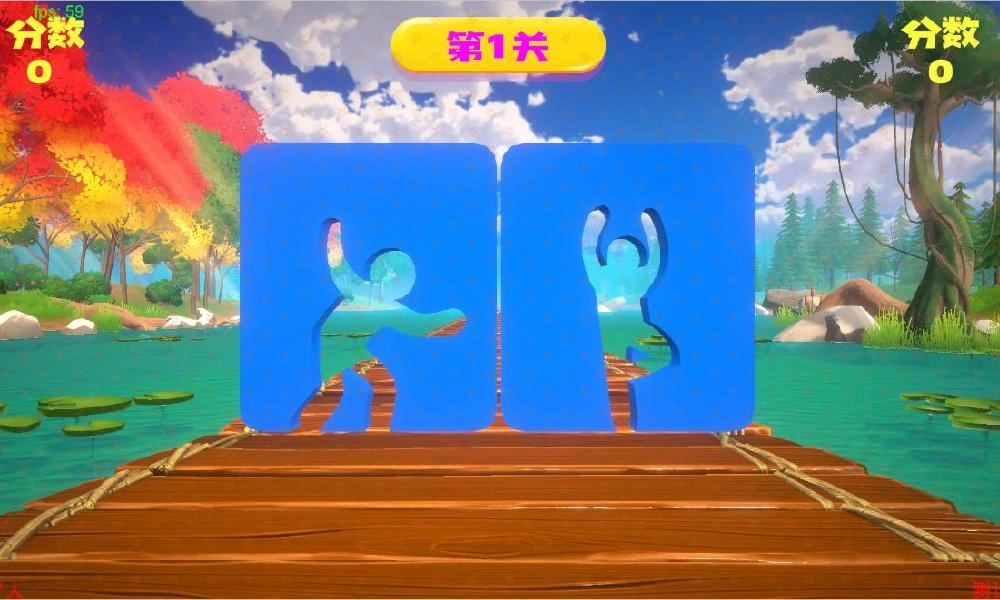
AR Body Sensor Game
Somatosensory Star is the latest somatosensory interactive projection equipment launched by our company. Its background stems from growing market demand and an in-depth analysis of existing products. We found that existing somatosensory projection interactive devices still need to be improved in terms of diversity and functionality, especially in terms of game immersion and graphics. Therefore, we decided to develop a somatosensory device that integrates sports and entertainment to meet these needs. The core goal of the product: Our goal is to provide users with more elements, more beautiful graphics, and a more immersive somatosensory gaming experience through this device.
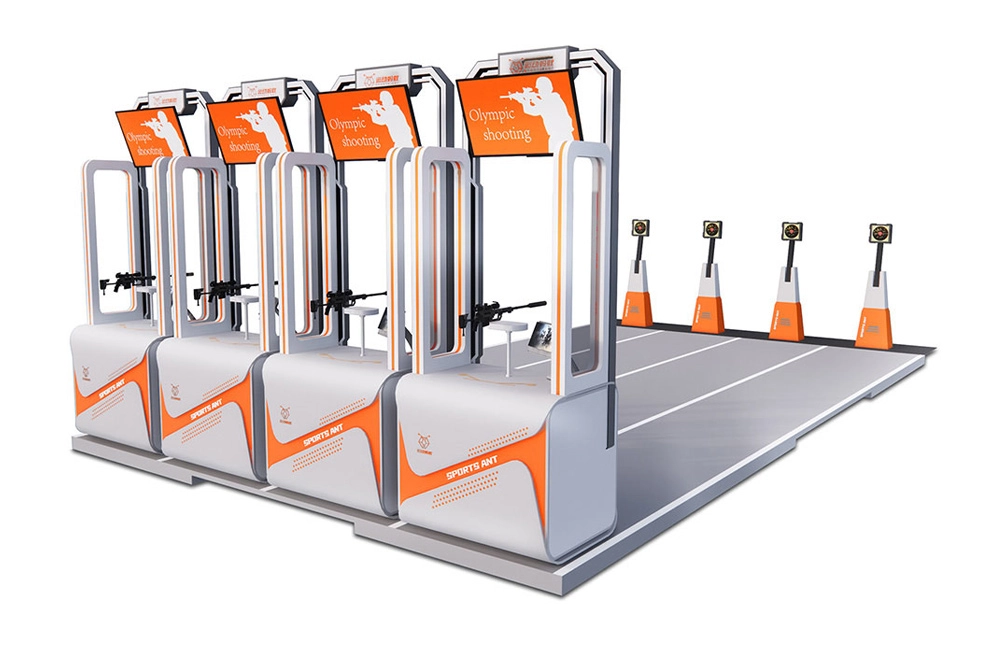
Laser Gun Olympic Shooting

Indoor Tennis Simulator (Premium Edition)
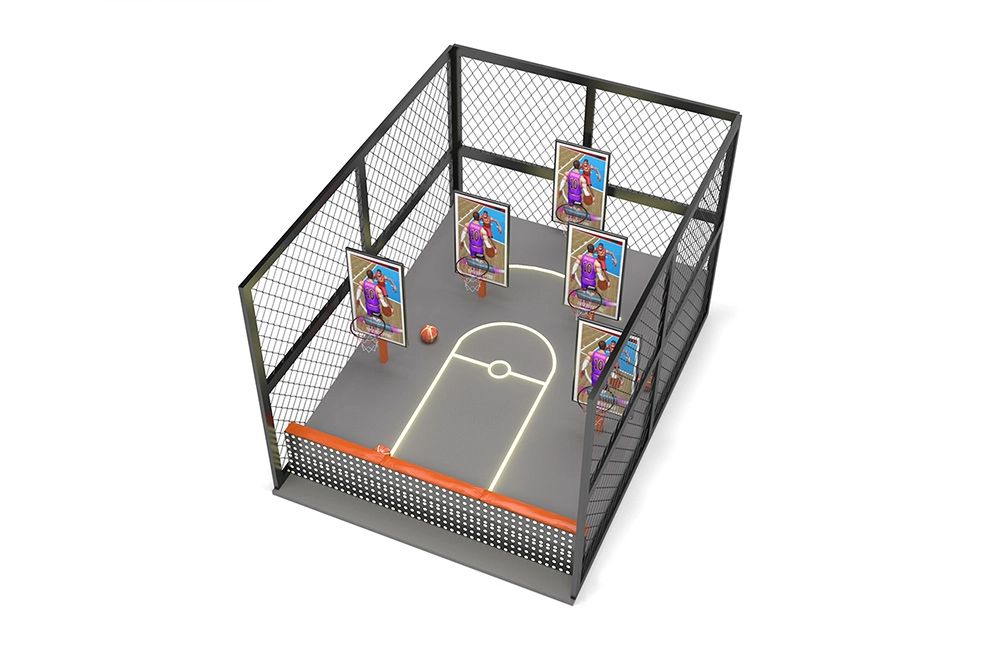
Five-Screen Video Basketball Games Machine
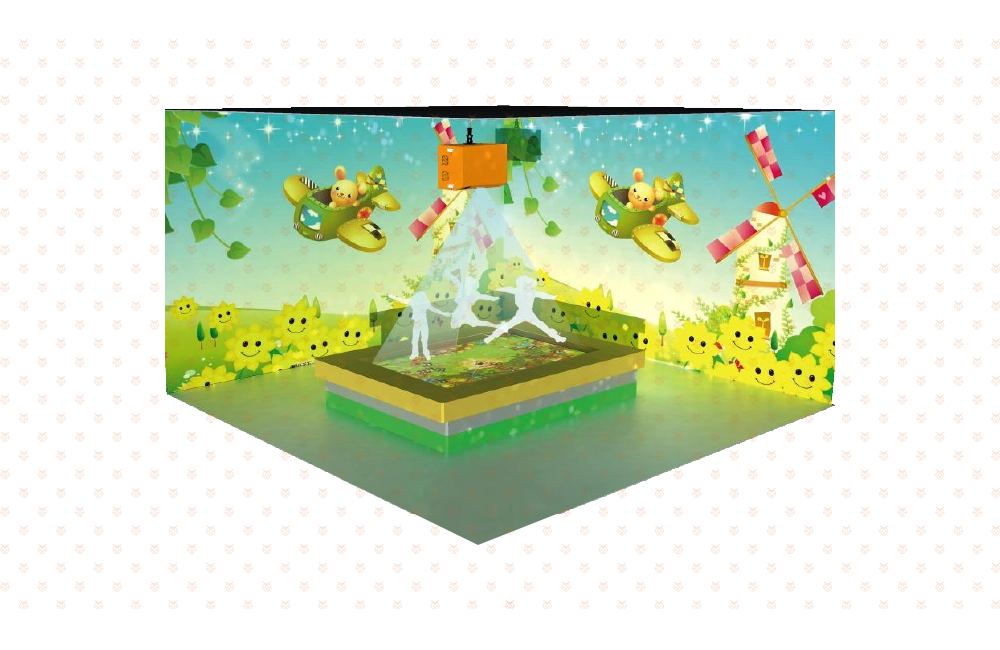
AR Trampoline
AR Trampoline uses a projector to project games on the trampoline surface. Centered on motion capture technology, it combines AR augmented reality technology and a three-dimensional game engine to realize an interactive trampoline game that integrates entertainment and fitness. When children interact with the elements in the game by jumping, wonderful interactive effects are produced, giving the trampoline greater magic.
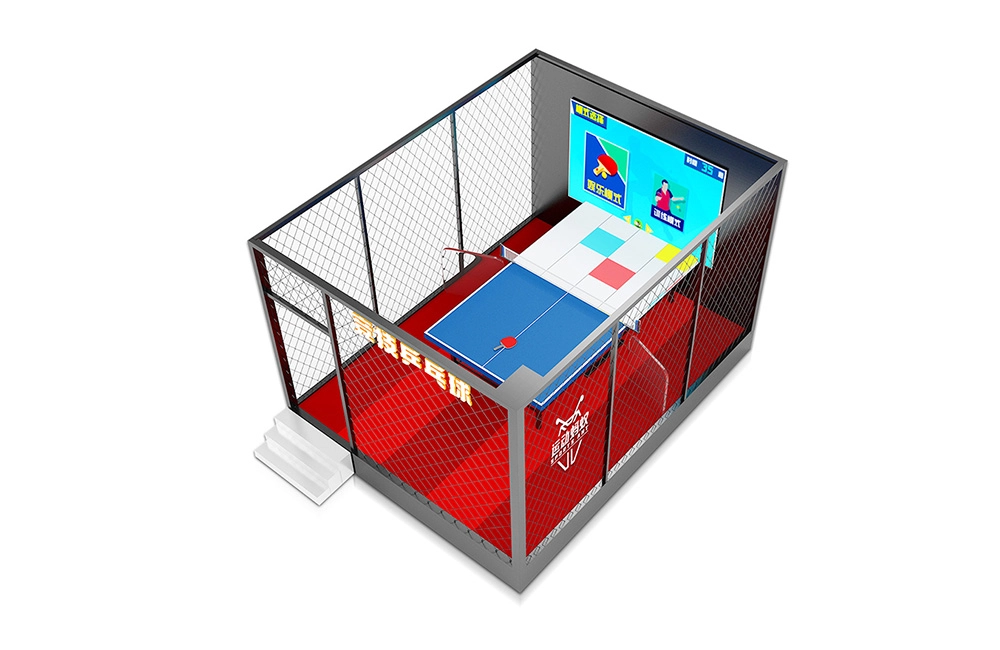
Table Tennis Game Machine
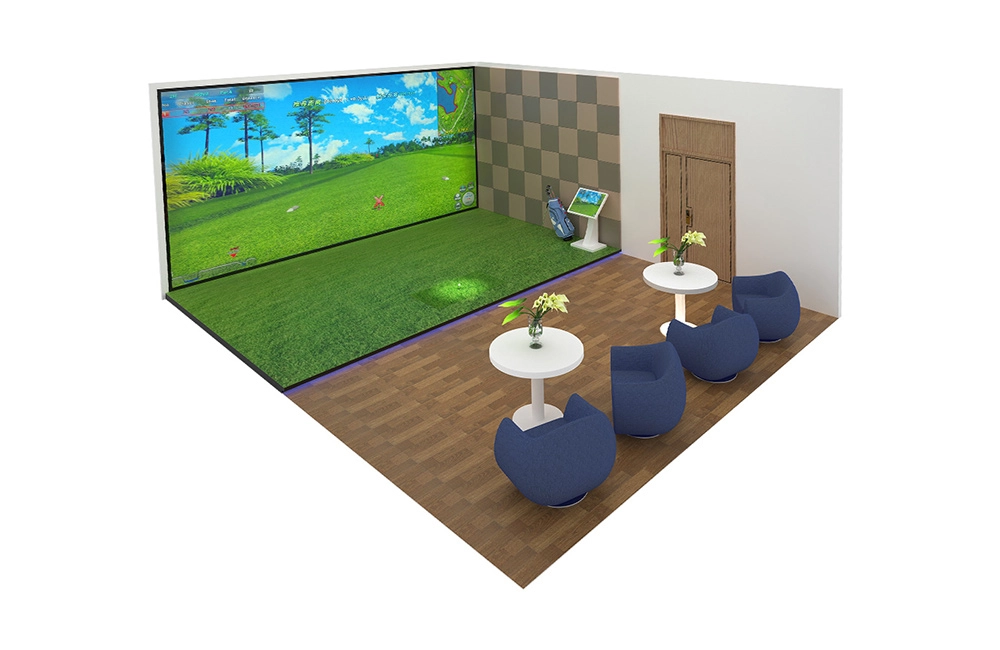
Indoor Golf Simulator With Curve Or Flat Panel
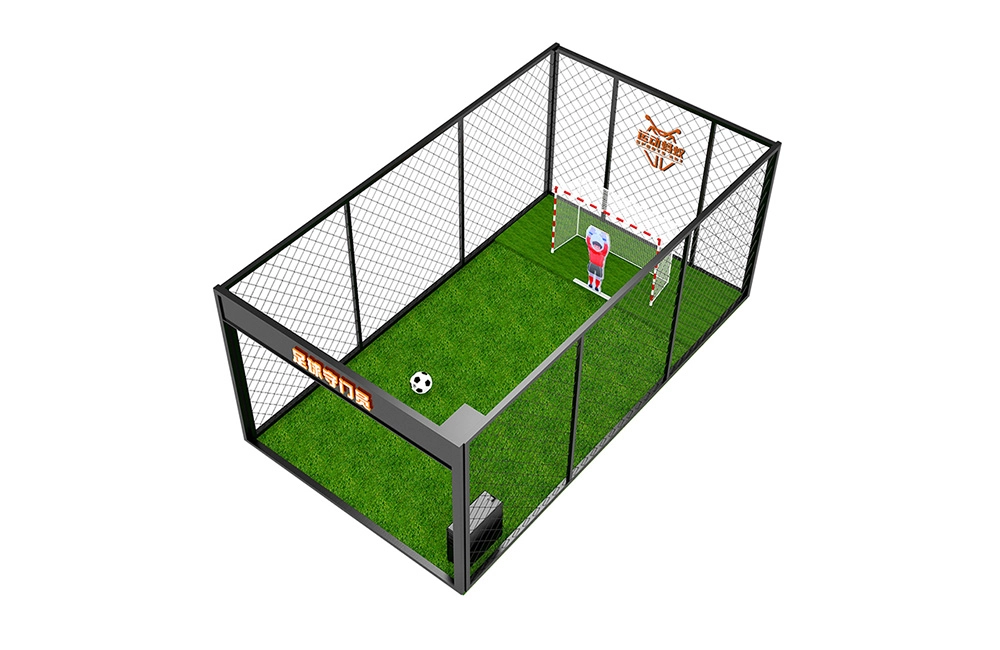
Goalkeeper Simulator For Training
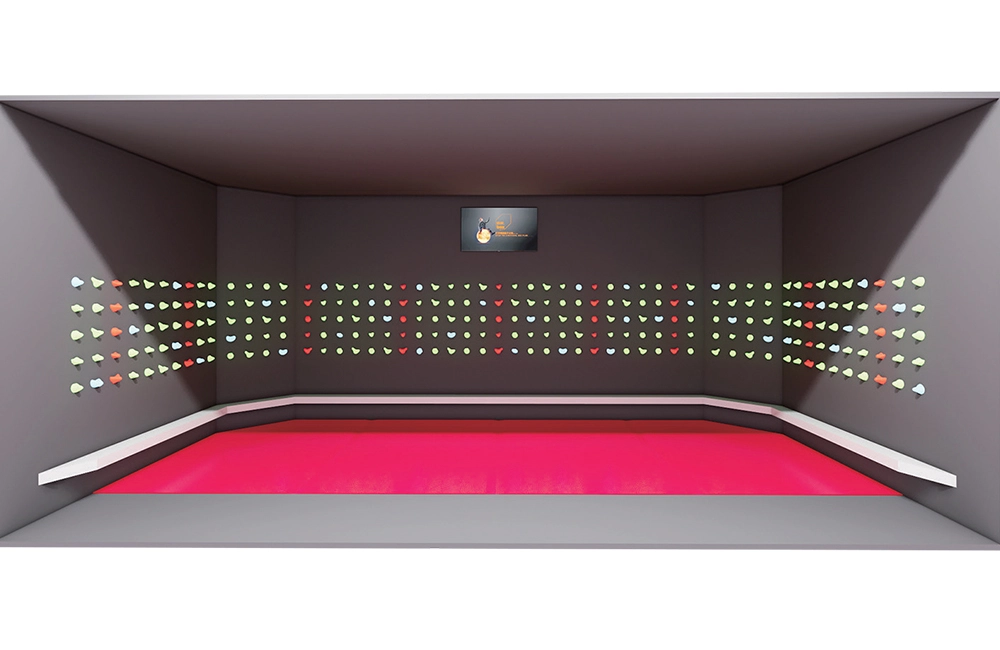
Indoor Interactive Rock Climbing
SPORTS ANT is a digital sports equipment enterprise that integrates the research and development, production, sales, and service of commercial digital sports and entertainment equipment. And implement the planning, design, construction, operation, and investment of the digital sports hall. More about us >>
© 2024 SPORTS ANT ALL RIGHTS RESERVED
bigantmeta
sportsantmeta
sportsantmeta
bigantmeta
Whatsapp: +8618028525450