
What are the risks of indoor climbing? | SPORTS ANT Guide
Indoor climbing offers a great workout but carries risks like falls, equipment failure, and human error. Digital advancements in sports equipment, such as integrated sensors and feedback systems, can significantly mitigate these risks and improve climber safety. SPORTS ANT is dedicated to developing these solutions.
What are the Risks of Indoor Climbing?
Indoor climbing gyms offer a fantastic workout and a fun social activity, but like any sport, they carry inherent risks. Understanding these risks is crucial for both gym owners and digital sports equipment developers, informing the design and safety features of our products. This article explores these risks to help improve safety protocols and the overall climbing experience.
Physical Injuries
The most obvious risks involve physical injury. Falls are a possibility, even with safety measures in place. These falls can lead to sprains, fractures, and more serious injuries depending on the height and impact. Overuse injuries, like tendonitis or rotator cuff issues, are also common, particularly among those who climb frequently without proper rest and conditioning. Effective digital tools can help monitor climber performance, identifying potential risks of overuse before injuries occur.
Equipment Failure
Malfunctioning climbing equipment, including harnesses, belay devices, and carabiners, poses a significant danger. Regular inspection and maintenance are essential. However, even with diligent checks, equipment can fail unexpectedly. Digital sensors integrated into equipment could provide real-time data on its condition, alerting users and gym staff to potential problems and contributing to a safer climbing environment. This real-time data is invaluable for preventive maintenance and ensuring the longevity of equipment.
Human Error
Human error contributes significantly to climbing accidents. Improper belay techniques, incorrect harness adjustments, or poor communication between climbers and belayers can lead to serious consequences. Integrating digital safety features into climbing equipment and training programs can help mitigate human error. For instance, digital feedback systems could offer real-time guidance on proper belay technique.
Environmental Factors
While less frequent, environmental factors within the climbing gym itself can pose risks. Poor lighting can lead to falls, and uneven flooring or obstacles can cause tripping hazards. Digital solutions, like smart lighting systems that adjust automatically based on ambient conditions, or advanced floor-mapping technology, could enhance safety.
Conclusion
Understanding the risks associated with indoor climbing is paramount for creating safer climbing environments. By leveraging digital sports equipment and technology, we can actively work to mitigate these risks and enhance the safety and enjoyment of the sport. SPORTS ANT is committed to developing innovative solutions to address these challenges.
how to simulate a rowing machine at home | SPORTS ANT Guide
How much does a golf simulator cost for home? | SPORTS ANT Guide
How high of ceiling for golf simulator? | SPORTS ANT Guide
Do you use real golf balls with a golf simulator? | SPORTS ANT Guide
Can you watch TV on a golf simulator? | SPORTS ANT Guide
How does laser maze work? | SPORTS ANT Guide
Leave a message
Connect with us to schedule a consultation, request samples, or arrange a site visit to see our facilities and capabilities firsthand.
Reach out to us via phone, email, or through the contact form below, and we'll get back to you promptly within 24 hours.
* Rest assured that your privacy is important to us, and all information provided will be handled with the utmost confidentiality.
You may also like
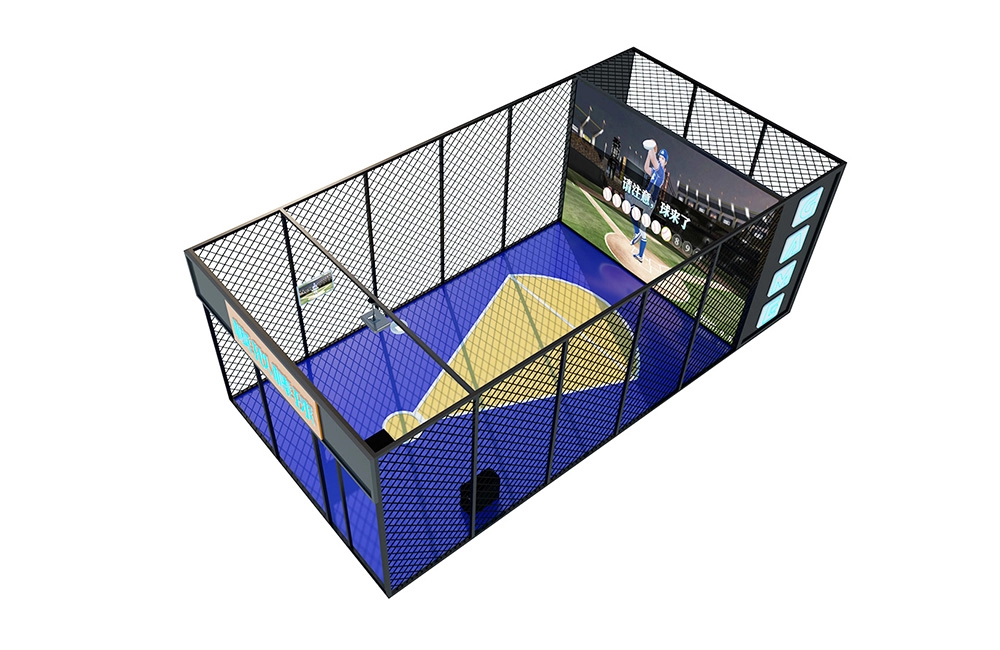
Indoor Baseball Simulator
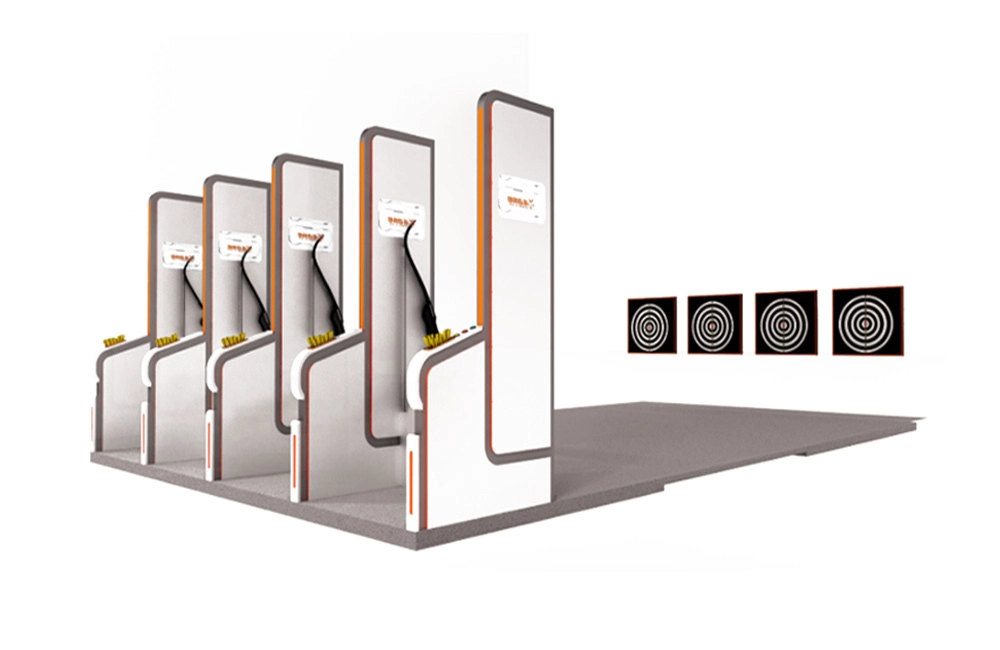
Fixed Target Archery Simulator
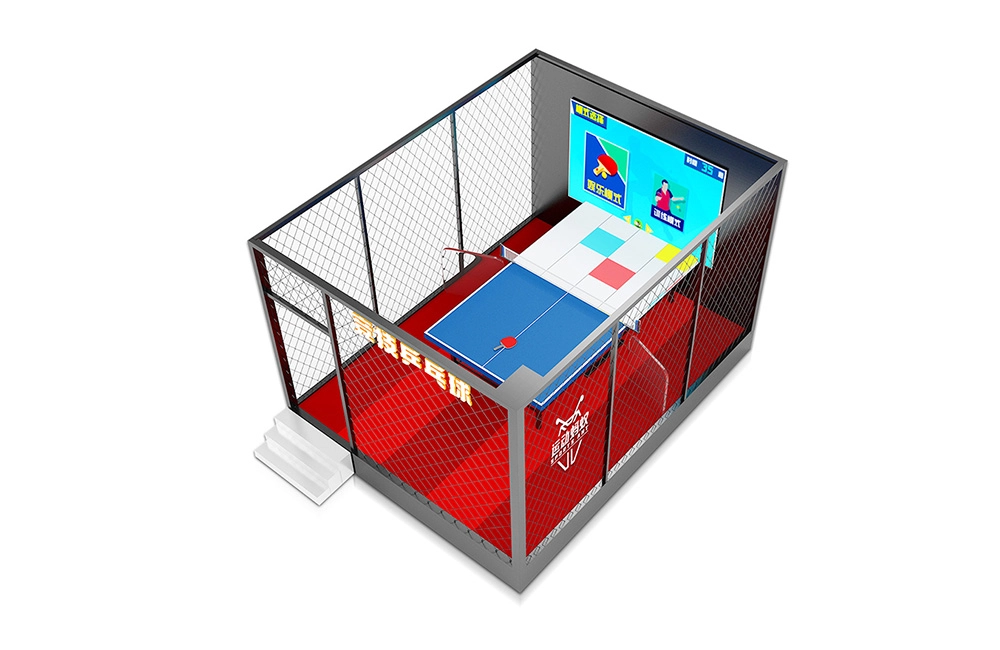
Table Tennis Game Machine
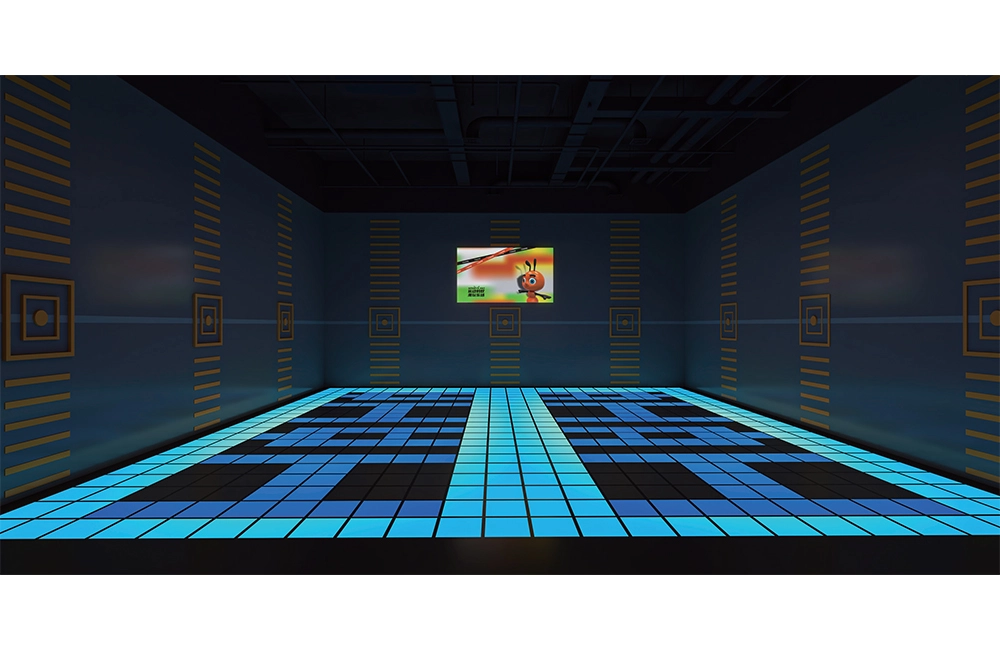
Led Floor Game
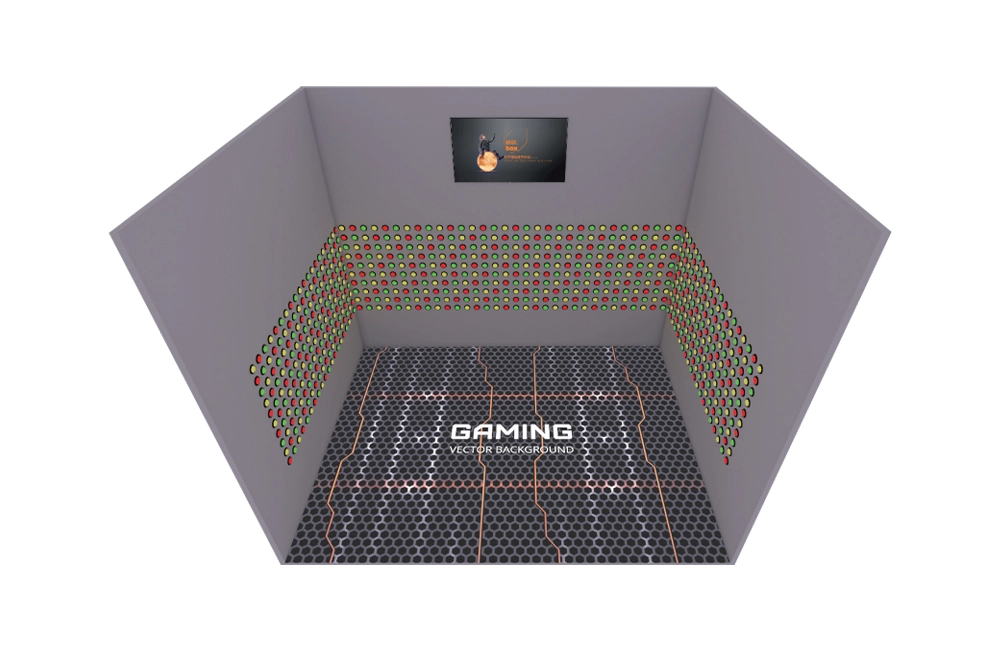
Extreme Challenge
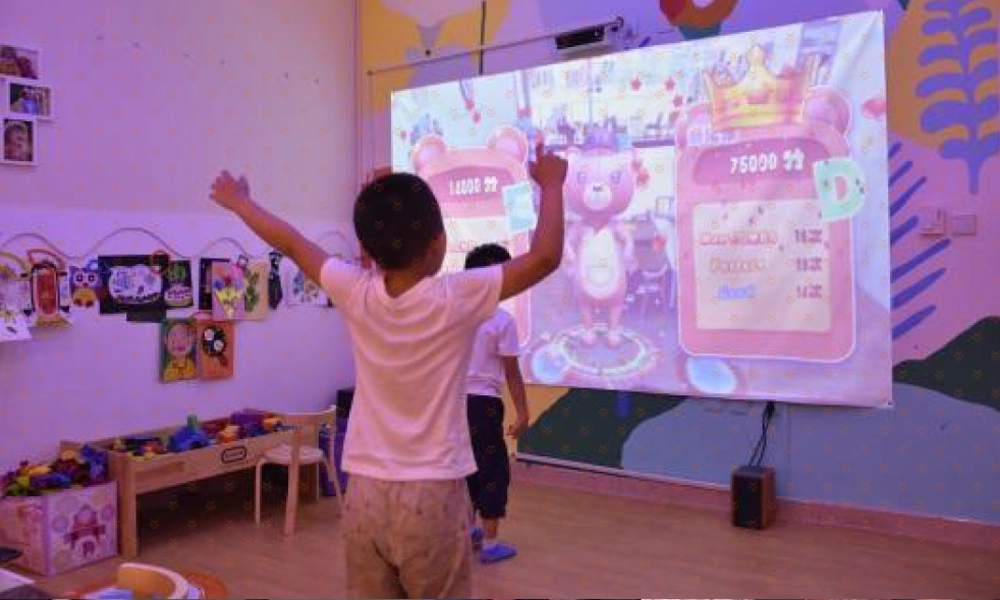
AR Dancing
AR Dancing, "Dancing Baby" is a music rhythm game. Compared with traditional electronic games, the biggest difference is that this game is the first to use somatosensory command recognition TXM technology. It uses high-precision giant pictures and cool special effects. Gameplayer follow the dynamic rhythm. By imitating the dance movements of the lead dancer in the game screen, the purpose of interactive games can be achieved, and two people can compete on the same stage.
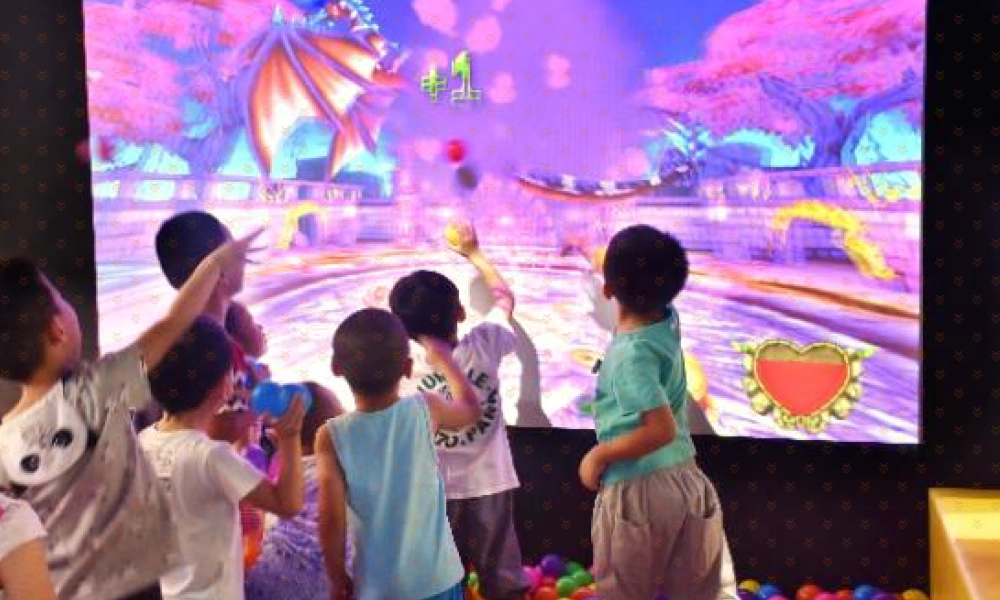
AR Smash Throw Ball
Magic Smashing Ball is a children's interactive game produced using advanced motion capture technology and projection technology, which enables real-time interaction between people and dynamic pictures on the wall. When children hit the game elements in the scene with their hands or ocean balls, they will Various interactive effects appear and scores are rewarded.
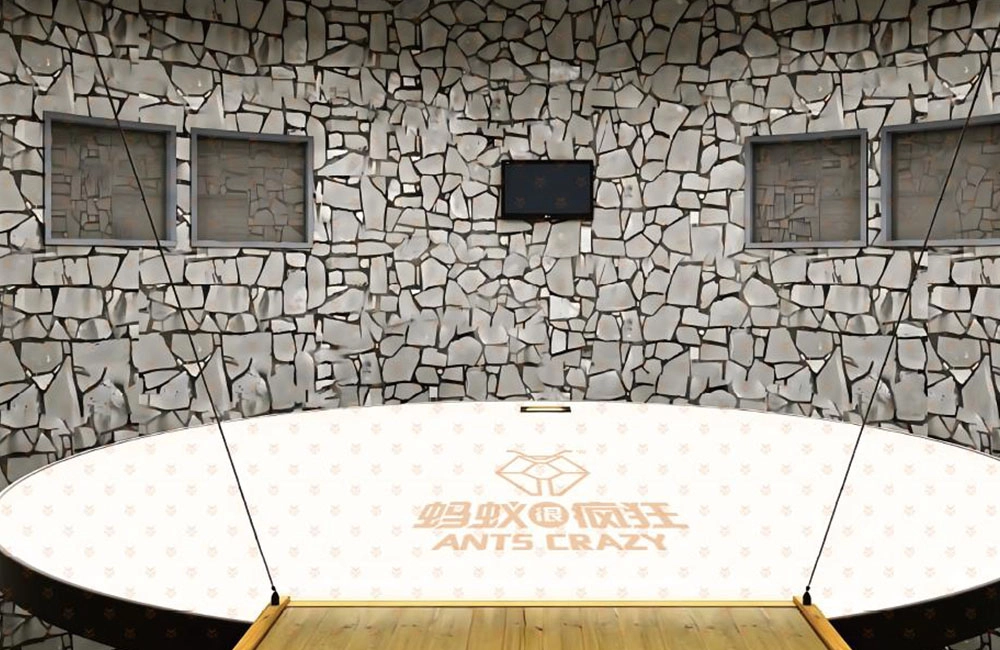
Swinging challenge
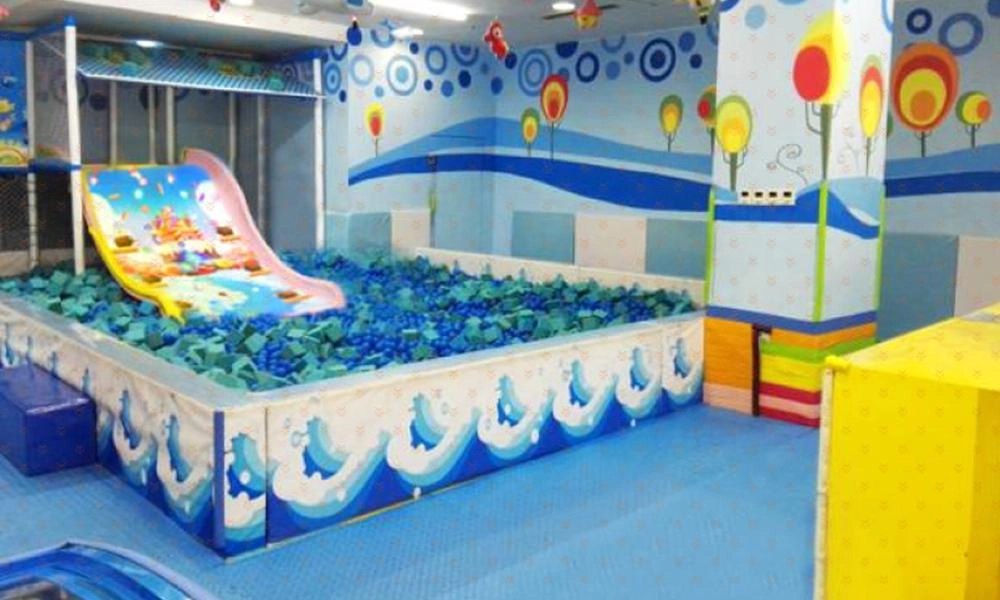
AR Interactive Slide
The colorful slide game uses interactive projection technology to project the picture on the slide. When the child's body comes into contact with the picture on the slide, various gorgeous interactive effects and dynamic and lifelike audio special effects will appear on the picture, making the entire process of sliding on the slide more enjoyable. Full of magical colors! The innovative multiplayer interactive gameplay and colorful game graphics add infinite cool and dynamic charm to the traditional slide.
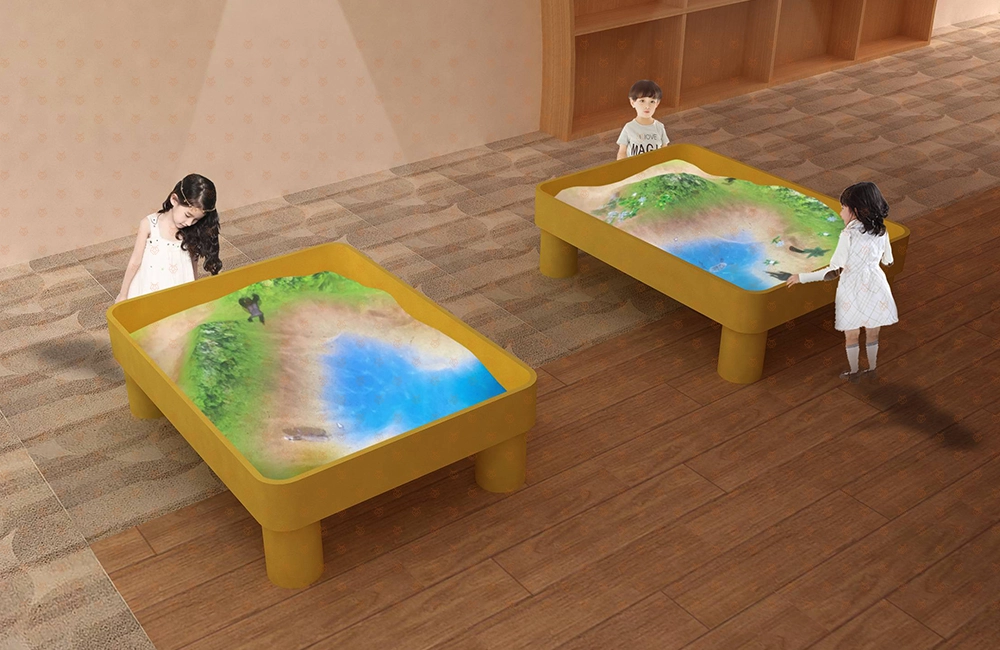
AR Sandbox
Interactive Sand Table is an 11 experiential interactive game that combines a physical sand table with projection technology. It uses the methods of stacking and digging sand to achieve game effects through height differences. Including "Beach Paradise", "Treasure Digging Agent", "Spring, Summer, Autumn and Winter", "Quick Fish", "Magic Traffic", "Magic Grassland", "Fantasy Sand Sea", "Dream Back to the Water Country", "Fantasy Snow Mountain" , "Cultural Relics Treasure Hunt", "Jade Treasure Hunt" and other height-difference virtual interactive games. Children use digging and stacking sand to build battle formations, attack the opponent's camp with their existing combat capabilities, and achieve final victory.
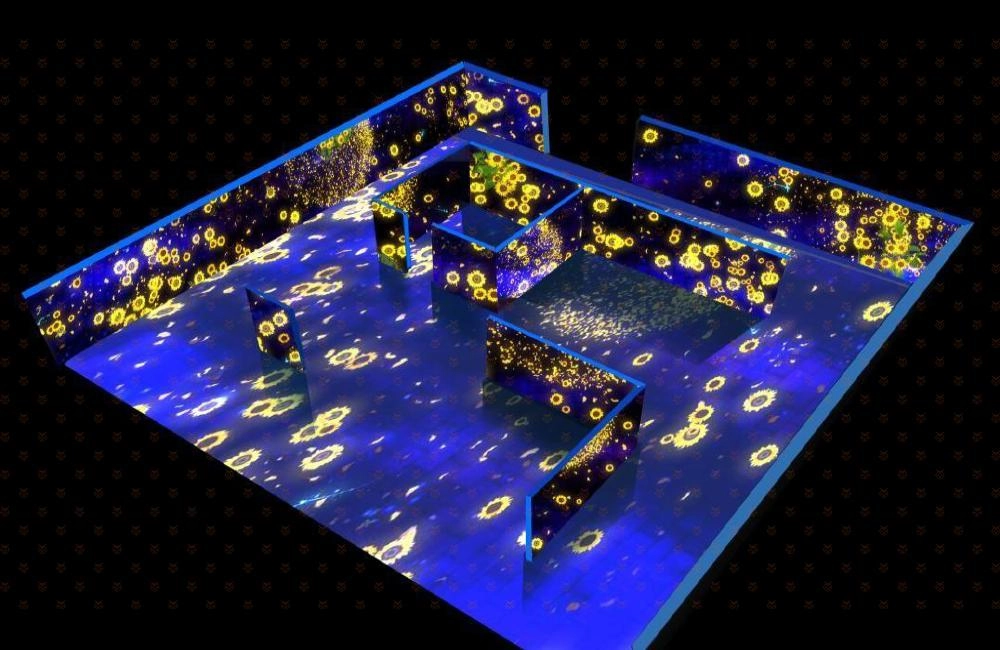
3D Immersive Room
Walking among flowers, with pure water flowing under your feet, you can only achieve enlightenment through quiet contemplation. Create an organic combination of meditation and art. The beauty of the world has thousands of forms, such as falling flowers, underwater world, dreamy forest, peach blossoms, seemingly intentional but unintentional, the sky is full of flowers, and the colorful ancient walls are integrated into one, weaving into a spiritual dance. Using advanced projection technology, it interprets a breathtaking visual feast. The changeable light and shadow effects create perfect visual effects and bring people an immersive feeling of being in front of the mirror. There are 35 scenes to choose from.
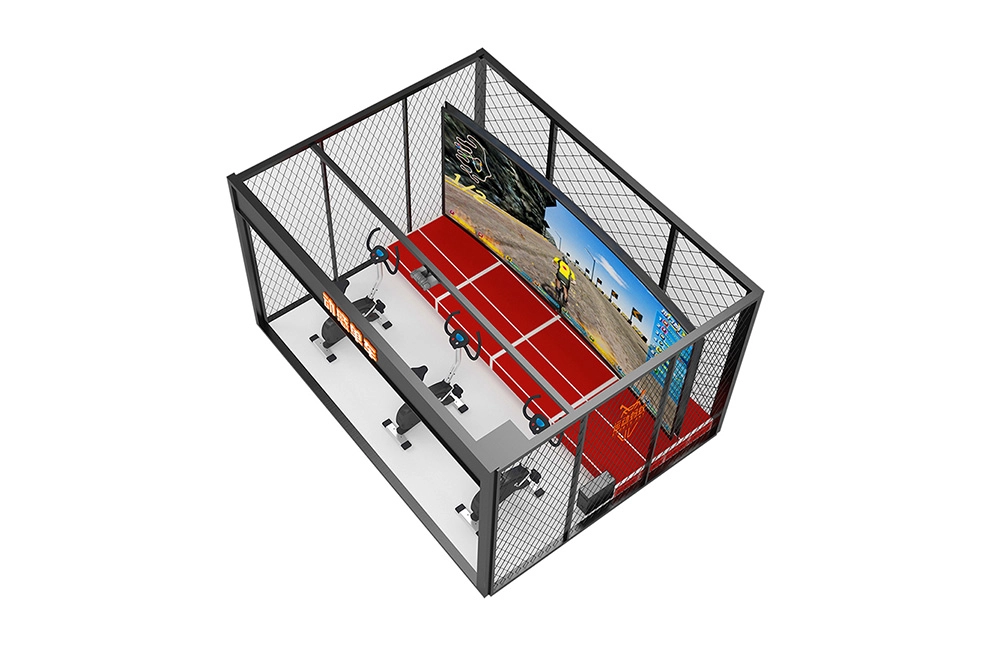
Spinning Bike Simulator
SPORTS ANT is a digital sports equipment enterprise that integrates the research and development, production, sales, and service of commercial digital sports and entertainment equipment. And implement the planning, design, construction, operation, and investment of the digital sports hall. More about us >>
© 2024 SPORTS ANT ALL RIGHTS RESERVED
bigantmeta
sportsantmeta
sportsantmeta
bigantmeta
Whatsapp: +8618028525450